
Automatic Vehicle Classification and Counting (AVCC)
Our AVCC systems provide precise, automated vehicle classification and counting to support efficient tolling and intelligent traffic management


Solution Information
- Category: Tolling & Traffic Analytics
- Client: Highway Authorities & Toll Operators
- Project URL: www.mahakalinfra.com
About the Solution
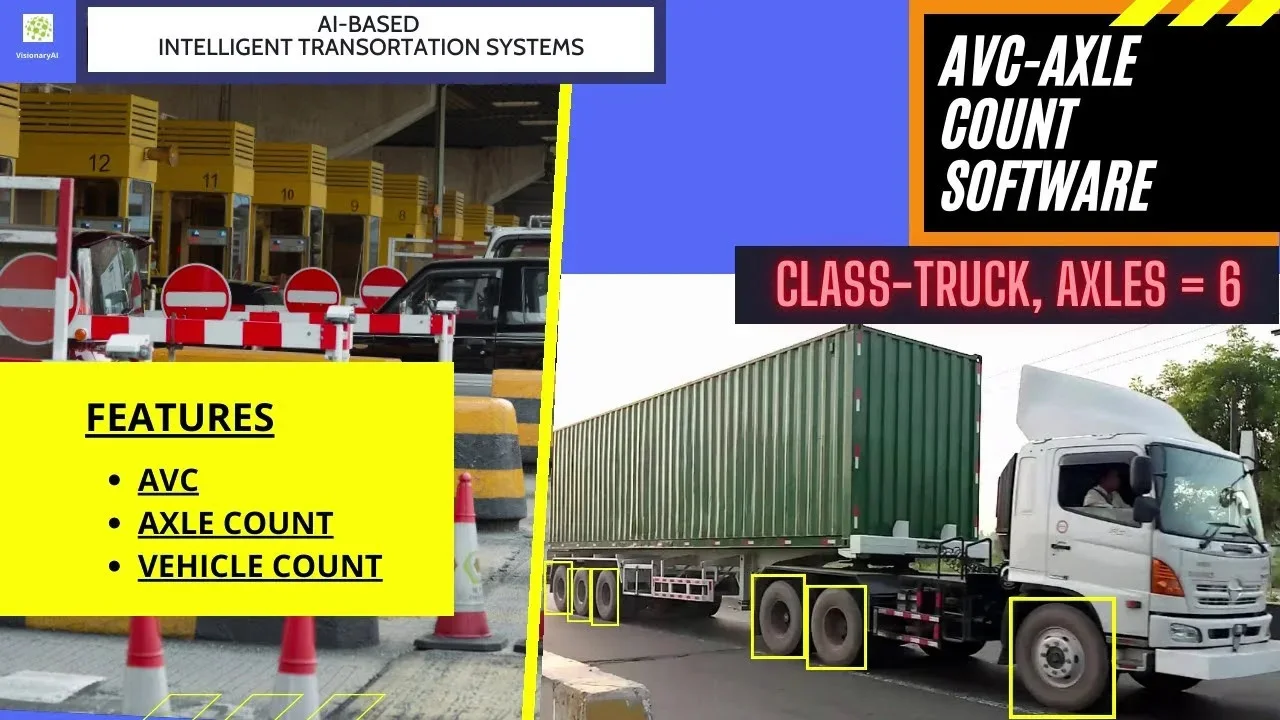
Our Automatic Vehicle Classification and Counting (AVCC) systems are a foundational technology for intelligent transportation. Using a combination of advanced sensors, they automatically detect and categorize vehicles in real-time, providing crucial data for tolling, traffic planning, and infrastructure management.
Key Features of Our AVCC Solutions
The AVCC system utilizes technologies like inductive loops, piezoelectric sensors, and overhead lasers to ensure a high level of accuracy in vehicle classification. This enables automated toll collection and provides granular data on traffic composition without the need for human intervention.
- High-accuracy vehicle classification by type and axle count
- Seamless integration with Toll Management and ANPR systems
- Real-time data for traffic flow analysis and reporting
We offer comprehensive services including system design, installation, calibration, and maintenance. Our solutions are scalable and can be tailored to meet the specific requirements of any toll plaza, highway, or traffic monitoring project.
By providing accurate traffic data, our AVCC systems help authorities optimize road usage, prevent infrastructure damage from overloaded vehicles, and improve the efficiency and safety of their transportation networks.
Optimizing Tolling and Traffic Data Collection
Automatic Vehicle Classification and Counting is a critical tool for modern infrastructure. It automates essential processes, leading to smoother traffic flow, more accurate revenue collection, and a deeper understanding of road usage patterns for future planning.